Our Treatments
Soft Tissue Treatment
The soft tissues of the body include the muscles, ligaments, tendons and connective tissue that surrounds all other structures called the fascia. These soft tissues can become damaged by trauma, for example when you pull or strain a muscle, but they are also strongly influenced by our posture, behaviour and activity levels and can become dysfunctional over time.
Treatments for the soft tissues are designed to:
- restore free and unrestricted motion
- re-establish optimal tone, resilience and function
- help reduce pain, by releasing ‘knots’ (Trigger Points) and relieving pressure around neural tissue.
Techniques include:
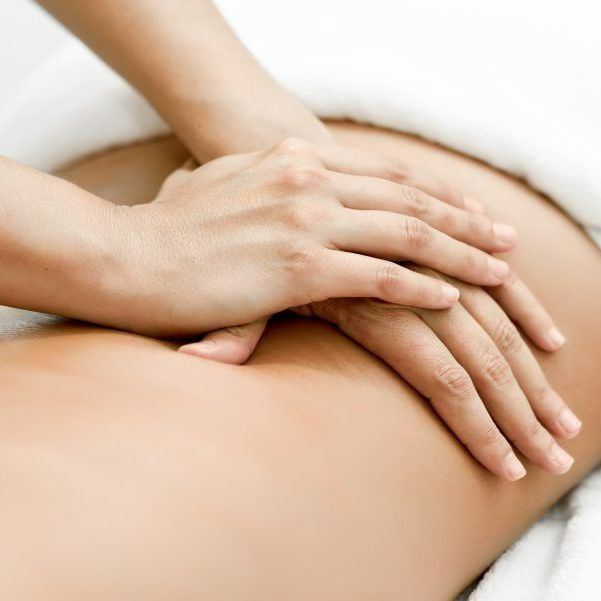
Massage – a manual therapy that includes moving, holding and applying pressure to the soft tissues. The amount of pressure applied can vary depending on the patient and the stage of injury or illness. The goal is to give the patient a window of opportunity to feel improvement in pain and function, so that they can work on exercises and/or other modifications of behaviour which will help recovery. There may also be a psychological benefit from the sense of relaxation and physical contact.
Myofascial Release - a combination of techniques to help relieve restrictions in the fascial system – the connective tissues surrounding every other structure within the body. It is a gentle hands-on treatment involving sustained pressure, gradual stretching and manipulation of the soft tissues.
Trigger Point Release – a trigger point is sometimes referred to as having a ‘knot’ in the muscle. It is generally thought to be a hyperirritable area of the muscle, often a palpable nodule that is very tender to the touch. It can sometimes cause a referred pain in a pattern distant to the trigger point. Treatment involves sustained pressure on the centre of the trigger point, which can be temporarily uncomfortable for the patient, but can often lead to rapid improvement in symptoms.
Cupping – a technique using a plastic cup over the area of muscular or fascial tightness and a suction gun that draws air out of the cup. Whilst other forms of massage apply a positive pressure to the tissues, cupping applies a negative pressure, which has the effect of drawing blood through the tight muscle and stretching the layers of muscle and connective tissue. The cups can be held in one position for a few seconds, or using oil on the skin can be moved up and down the affected area. There have not been many scientific studies carried out to support the use of cupping, but clinically it has been shown to soften and relax muscles in a matter of seconds. Patients receiving cupping should be aware that the suction draws the blood quickly through the tissue and can sometimes leave a red circle on the skin that looks a bit like a bruise. This can last for a few minutes to a few days.
Passive Stretching – assisted stretching can be helpful for patients who find it difficult to stretch certain muscle groups and to educate those who are not familiar with stretching techniques.
Joint Mobilisation
This is a hands-on technique that we may use to help move a joint that has become stiff. All joints in the body have the potential to feel stiff and this can be for a variety of reasons:
Disuse - Illness or change of circumstances may lead to periods of being more sedentary and the previously active joints of the limbs and spine stiffen through disuse.
Illness - Certain illnesses affect the joint’s articular surfaces, commonly osteoarthritis, but also infection which may affect one or several joints.
Trauma – this may cause damage to the joint itself or the soft tissues around it. Swelling is a significant cause of joint stiffness after injury.
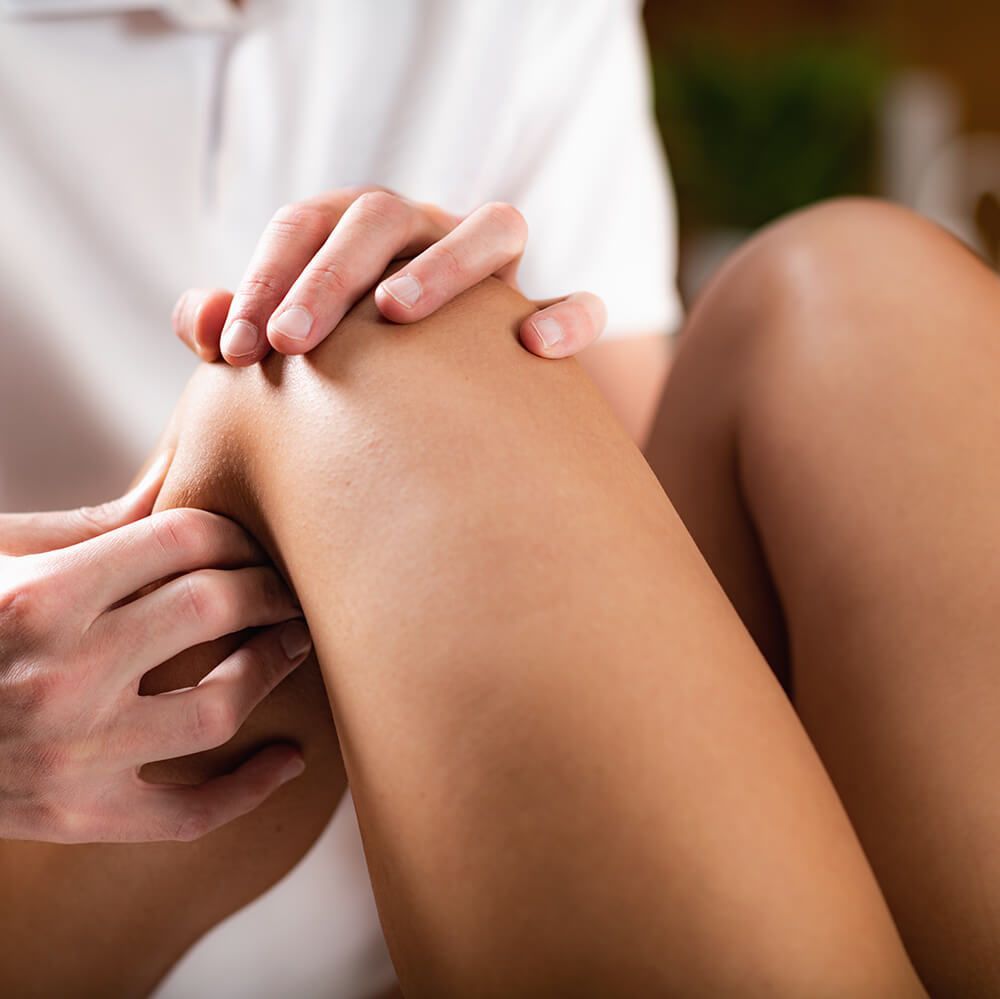
The technique is performed by stabilising one segment of a joint and applying manual pressure or traction to the nearby section. This may be a gentle oscillatory movement or a stronger sustained pressure, depending on the condition and the patient’s pain levels. The applied force is usually directed in a plane of motion that is very tight, or hypomobile, in an effort to improve overall joint function.
Common conditions that may benefit from joint mobilisation are:
- Stiff ankle following a sprain
- Stiff knee due to Arthritis or following knee replacement
- Stiff spine relating to poor posture
- Stiff/frozen shoulder
- Stiff and painful jaw (TMJ)
- Stiff neck e.g. following car accident
Joint mobilisations are usually used alongside other physio techniques to help improve movement, pain and function. Improvements in joint range of movement offer a window of opportunity to use the joint in a more functional and pain-free way, but this may be short-lived if other advice on posture and physical activity are not adhered to.
TECAR Therapy
New Service!
Apta Vita is proud to announce that we now offer TECAR therapy, an innovative technology that can be seamlessly integrated with our existing physiotherapy treatments.
What is TECAR?
TECAR is a form of electromagnetic therapy (Transfer of Energy, Capacitive and Resistive) that uses high-frequency currents to stimulate natural healing processes by transferring electromagnetic energy directly into tissues. The two modes: capacitive (targets soft tissues, muscles, tendons) and resistive (focuses on deeper tissues like bones and joints), allow for customised treatment based on specific patient needs.
What are the benefits?
- Accelerated Healing: The mechanism generates endogenous heat, promoting cellular regeneration, improving circulation, and reducing inflammation. Accelerating the natural healing process reduces recovery time and allows for more effective progression through physiotherapy exercises.
- Pain Relief: The pleasant warming effect makes physiotherapy sessions more comfortable and productive, and this warming effect lasts long after the treatment has finished. The addition of a TENS setting gives the therapist another tool to help with pain relief. TECAR is a non-invasive, drug-free alternative to pain management, aligning with a holistic approach to healing.
- Enhanced Mobility: Warming the deep tissues helps to loosen tight muscles and joints, which helps improve flexibility and range of motion. Additionally, the treatment can be carried out whilst the patient is performing an exercise, giving an immediate boost to function.
Who is TECAR therapy suitable for?
TECAR therapy is suitable for a wide variety of musculoskeletal conditions, including
- Acute injuries (e.g. sprains and strains)
- Chronic pain (e.g. arthritis, sciatica and tendinopathy)
- Post-surgical rehabilitation (e.g. after joint replacement or ACL repair)
Acupuncture
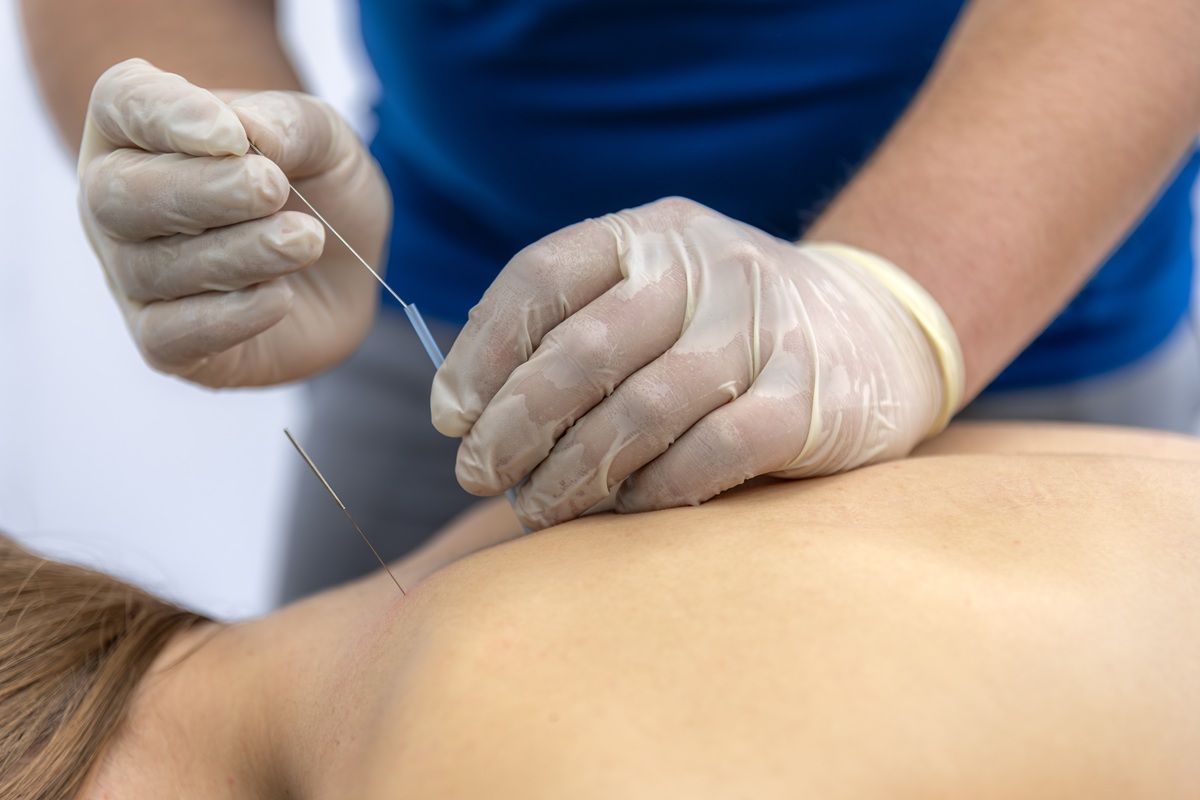
Catherine has been practising acupuncture for over 20 years and uses it as one of several tools to reduce pain, improve movement, and support rehabilitation. A frequently asked question is – how does it work? Here is a bit more information about how acupuncture is used and what to expect:
How Physiotherapists Use Acupuncture
- Pain modulation: Acupuncture appears to stimulate the release of natural pain-relieving chemicals in the body, including endorphins, serotonin, and dopamine. Endorphins, often called the body’s natural opioids, bind to receptors in the brain and spinal cord, reducing pain perception.
- Muscle relaxation: Needling tight or overactive muscles (often called dry needling when specifically targeting trigger points) can reduce tension and improve range of motion.
- Reducing inflammation: Some techniques can influence local blood flow and reduce inflammatory responses.
- Facilitating movement retraining: By reducing pain or muscle guarding, acupuncture can make exercise and manual therapy more effective.
What type of conditions does it help?
Acupuncture can help a variety of conditions and injuries that cause pain and stiffness, but the common issues we see are:
- Back and neck pain
- Headaches and migraines
- Muscle strains or spasms
- Tendinopathies
- Osteoarthritis pain
- Nerve-related pain, like a trapped nerve or sciatica
Approach Used
Catherine trained with a traditional acupuncturist, so uses a combination of traditional acupuncture (based on meridians and classical Chinese points) and dry needling (targeting myofascial trigger points).
Safety
Catherine has had postgraduate training and is a member of the AACP, this requires physiotherapists to follow strict hygiene and safety standards.
Acupuncture is generally safe when performed by trained clinicians, with most side effects being minor (e.g. mild soreness or a small bruise).
Craniosacral Therapy
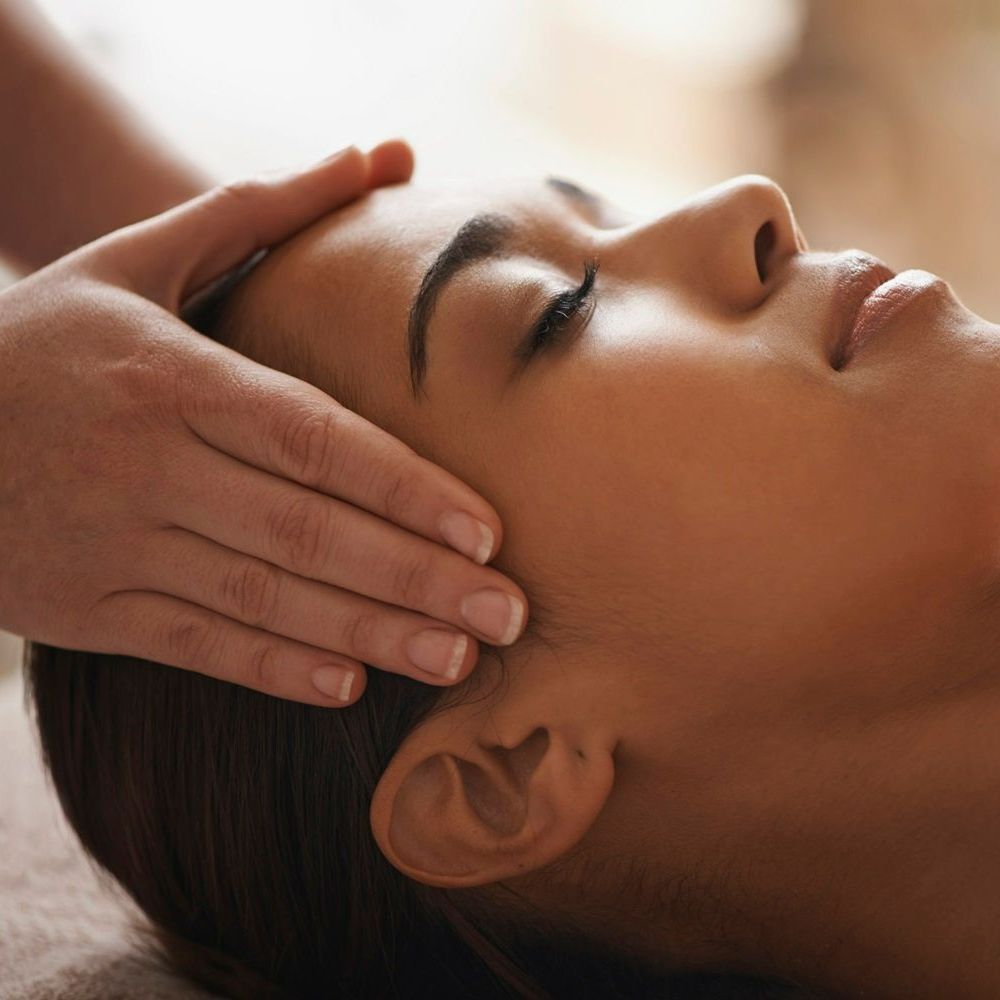
Craniosacral Therapy (CST) is a gentle, hands-on treatment used to evaluate and enhance the function of the craniosacral system. This is a physiological system made up of the membranes and cerebrospinal fluid that surround and protect the brain and spinal cord.
The treatment aims to release restrictions in the body that affect the craniosacral system, which has been shown to improve other systems in the body, such as the central nervous system, the digestive system and the musculoskeletal system. By facilitating the body’s natural healing processes, it is suitable for patients with a wide variety of health issues, such as:
- Chronic Pain
- Stress/Tension related problems
- Migraine/Headache
- Chronic Fatigue
- TMJ (Jaw) pain
- Traumatic Brain Injury and Concussion
- Musculoskeletal pain.
More information to follow for our other treatments